
Most startups die for the usual reasons. Running out of money. The wrong market. A product that never finds its people. But some startups die for a reason that never makes it into the post-mortems: a single missing clause in a contract they signed before they knew what they were doing. The Limitation of Liability […]
Category Archives: Contracts & Agreements
26
Mar
Mar
Before you sign: what nobody tells you about business contracts Most business owners read contracts looking for what the contract says. The really dangerous parts are usually what it does not say, what it quietly assumes, and what it locks you into without you realising it until it is too late. You do not need […]
19
Mar
Mar
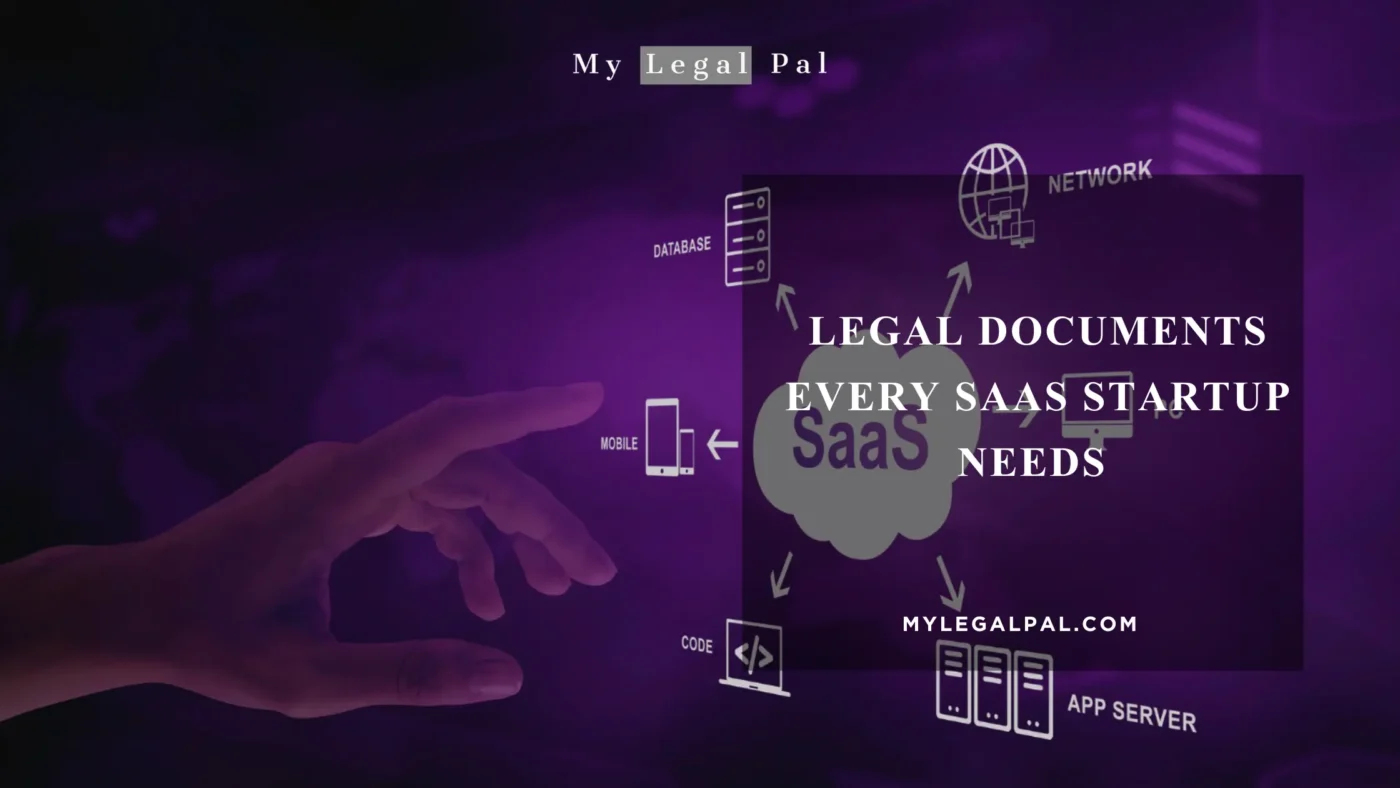
TL;DR: SaaS startups need a core stack of legal documents to operate safely and scale confidently. These include Terms of Service, a Privacy Policy, a SaaS Subscription Agreement, an End User Licence Agreement (EULA), a Data Processing Agreement (DPA), an NDA, an IP Assignment Agreement, and founder or employment agreements. Each document protects a different […]
17
Mar
Mar
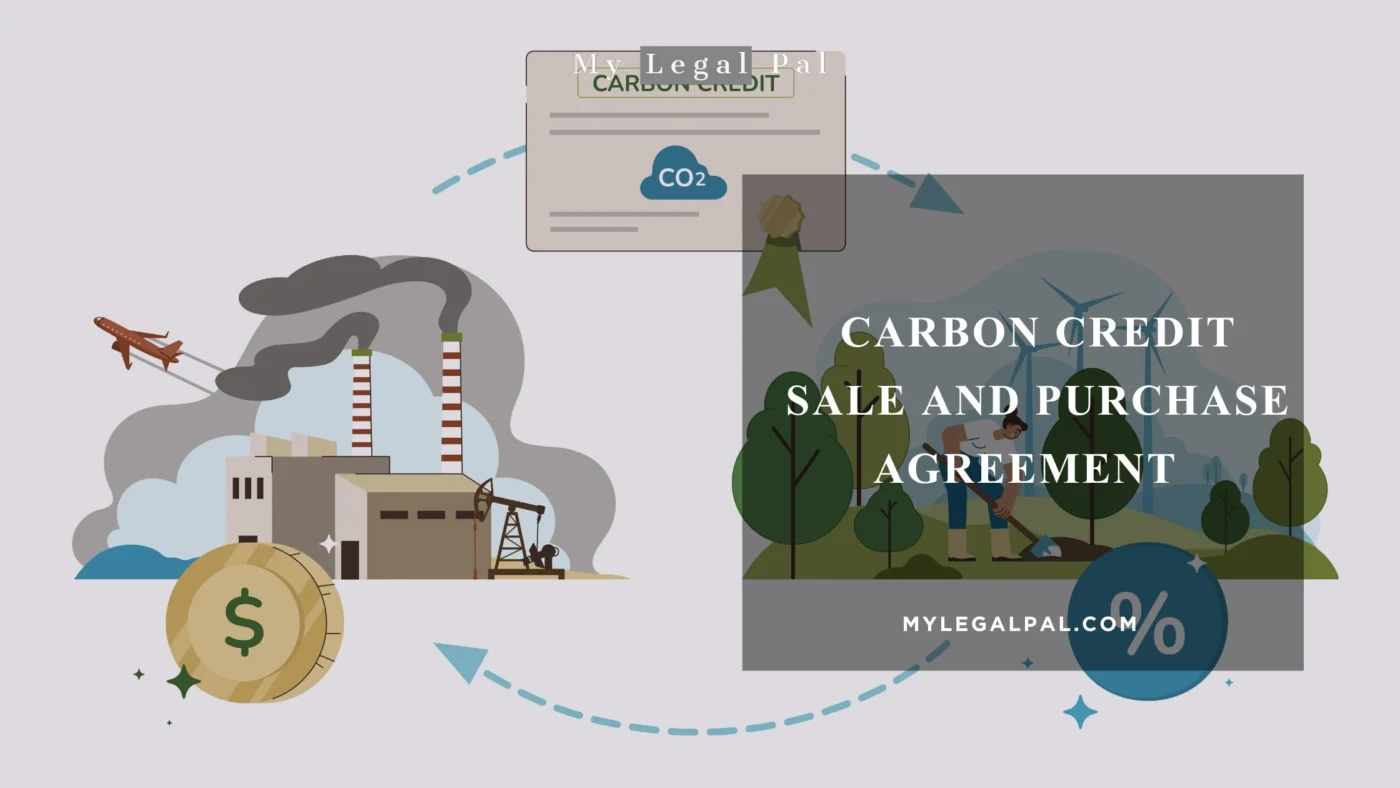
A Carbon Credit Sale and Purchase Agreement (CSPA) is a legally binding contract between a seller (typically a carbon project developer or credit holder) and a buyer (a corporation, fund, or government entity) that governs the transfer of carbon credits or carbon offsets. It sets out the credit specifications, volume, price, delivery obligations, verification standards, […]
15
Mar
Mar
TL;DR: An API licensing agreement governs the terms under which one party, the API provider, grants another, the API consumer, permission to access and use its application programming interface. It looks similar to a traditional software licence on the surface but functions very differently: you’re licensing ongoing access to a live, changeable service, not a […]
08
Mar
Mar
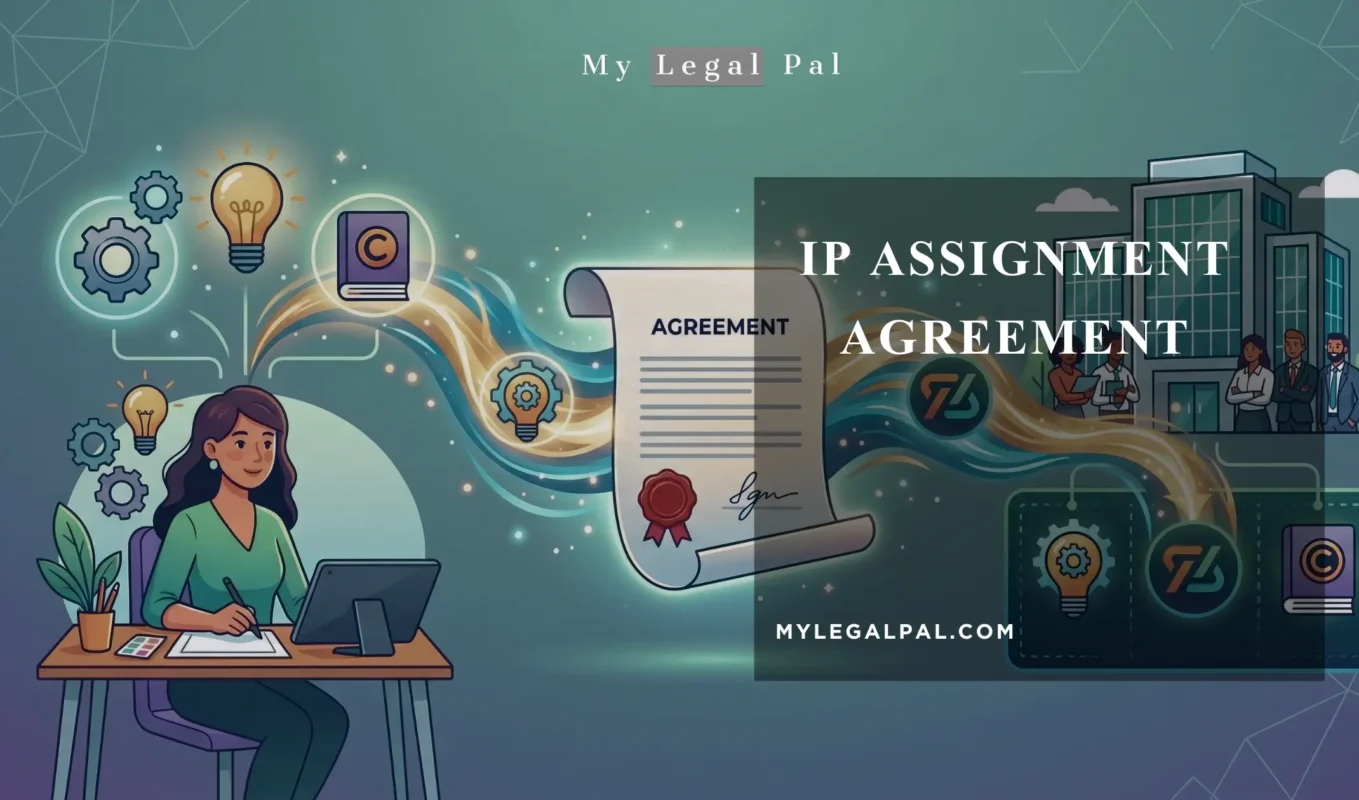
TL;DR: An IP assignment agreement transfers ownership of intellectual property, code, designs, content, inventions, from the person or entity who created it to another party, permanently and completely. Without one, the creator, not the business paying for the work, may legally own it. This is one of the most consistently damaging gaps discovered during investor […]
07
Mar
Mar
TL;DR: Founders start a company on trust, shared excitement, and an assumption that everyone sees the future the same way. That assumption is exactly what a founders’ agreement exists to protect against, not because you distrust your co-founders, but because trust alone has no mechanism for resolving a genuine disagreement once one arrives. This guide […]
03
Mar
Mar
TL;DR: When an investor or acquirer’s legal team runs due diligence, they aren’t just scanning for red flags, they are pricing risk into every clause that creates uncertainty, liability, or operational restriction. Five specific clause types account for a disproportionate share of the valuation haircuts, deal delays, and collapsed term sheets founders encounter: broken assignability, […]
24
Feb
Feb
You’ve nailed the pitch. The investor is nodding. Then come the five words every founder both wants and dreads to hear: “Send over your legal docs.” This is where many promising startups stumble, not because of a weak business idea, but because of poorly drafted, incomplete, or missing agreements. Investors and their legal teams are […]
24
Feb
Feb
TL;DR: Drag-along and tag-along rights solve two opposite problems in a company sale: drag-along lets a majority of shareholders force minority holders to join a sale so one holdout can’t block a genuinely good deal, while tag-along protects minority shareholders by letting them join a majority sale on the same terms, so they aren’t left […]